
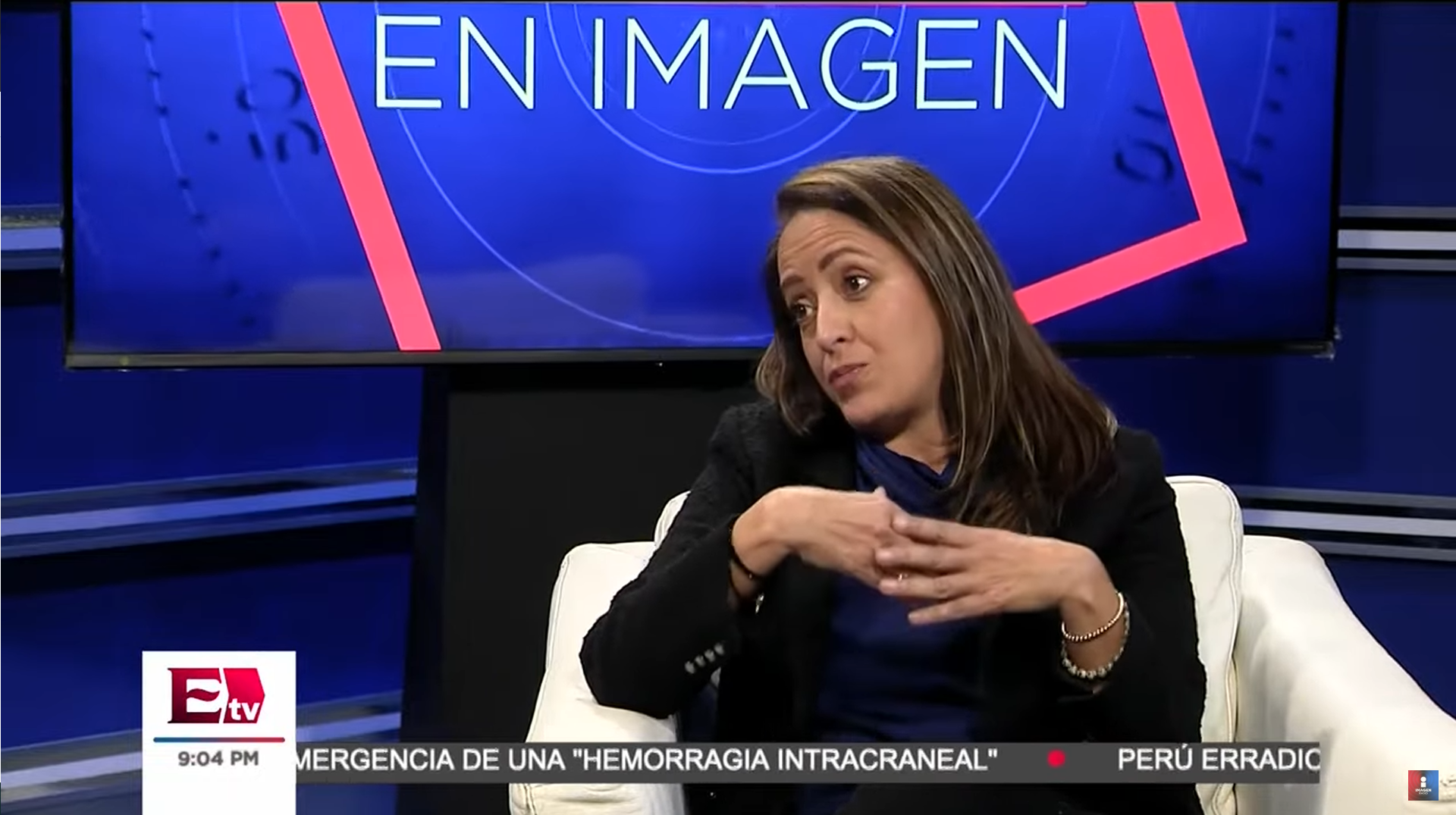
In a recent interview on Seguros en Imagen, Erika Fritz Boy, founder of EFB Research and a leading expert with more than 22 years in qualitative market research, shared powerful insights on how research can help the insurance industry evolve, better understand its customers, and design products that resonate with a new generation of consumers.
Her conversation with host Rafael Rebollar explored not only the role of qualitative research, but also the future of consumer expectations, digital tools, and the importance of empathy in understanding human behaviour.
From Psychology to Market Insights: How EFB Research Was Born
Erika began her career in psychology, not expecting to enter the world of market research. But an early opportunity revealed what would become her lifelong passion: understanding people.
She discovered that qualitative research is, at its core, social research. It explores how people think, feel, decide, and behave—beyond what numbers alone can explain. After leading qualitative research at GfK Mexico, Erika founded EFB Research, building long-term partnerships with global agencies in France, the UK, and across Latin America who rely on her deep understanding of the Mexican and Latin American consumer.
Today, EFB Research is a boutique agency known for cultural insight, psychological depth, and methodological innovation, serving both B2C and B2B sectors.
Qualitative vs. Quantitative: Why the “Why” Matters More Than Ever
One of the clearest takeaways from Erika’s interview is the distinction between quantitative and qualitative research:
- Quantitative tells you “how many” — percentages, statistical trends, market size.
- Qualitative explains “why” — motivations, emotions, expectations, frustrations, beliefs.
In insurance, this distinction is critical. For example:
“You can know that 80% of the population has auto insurance… but not why they bought it, how they feel about it, or what they expect,” Erika explains.
Understanding the “why” behind consumer behaviour helps insurers design products that match real needs, not assumptions. And for an industry that struggles with relevance among younger generations, this insight is invaluable.
What Insurers Are Researching Today — And What They Still Miss
Erika shared that while insurance companies do conduct research, they tend to invest far less than consumer goods, automotive, or tech industries. The research they do conduct is often traditional, such as:
- Focus groups
- In-depth interviews
- Concept testing
- Product communication evaluation
However, today’s world requires more:
- Social listening
- Online research panels
- Digital ethnography
- Workshops that align internal teams with consumer expectations
Many insurers still operate with old structures, limited budgets, and overly formal communication styles. Yet, the companies that invest in research are discovering meaningful opportunities — especially when understanding agents and younger generations.
Agents: The Missing Link in Most Insurance Strategies
One powerful point Erika raised is the importance of researching not only consumers, but also insurance agents.
Agents are the ones who:
- face consumers directly
- hear complaints and needs first-hand
- understand how incentives influence performance
- act as the operational voice of the insurer
But their needs and perspectives are often overlooked.
Erika explains that interviewing agents reveals a second layer of insight:
what the insurer believes customers want vs. what customers actually want.
This alignment gap creates risks for product adoption, satisfaction, and retention.
The New Consumer: Millennials and Gen Z Are Changing Everything
One of the most striking parts of the interview was Erika’s description of generational change.
A New Mindset About Health, Money, and Life
Past generations (Baby Boomers, Gen X) valued:
- long-term stability
- purchasing a home
- owning a car
- lifelong insurance policies
But Millennials and Gen Z think differently:
- They prioritize experiences over possessions.
- They value health and wellness, but don’t plan decades ahead.
- They are digital, skeptical, and self-service oriented.
- They want modular, flexible, easy-to-understand insurance.
As Erika explains:
“They no longer adapt to an insurance plan. They expect insurers to adapt to them.”
This is why newer markets — like pet insurance, tech device coverage, and modular medical packages — are rapidly gaining traction.
A company that creates a pet insurance product, she notes, signals empathy and cultural relevance:
“We understand your lifestyle today.”
Communication Is the Industry’s Biggest Weakness
Erika and Rafael agreed that insurers often speak with a tone that feels:
- institutional
- complex
- outdated
- overly technical
Younger consumers reject this immediately.
The industry is slowly evolving toward:
- simpler language
- friendly product names
- direct, transparent messaging
- storytelling based on real consumer fears and aspirations
This shift aligns perfectly with qualitative research, which uncovers the actual words consumers use and how they emotionally describe insurance.
Why Insurers Must Embrace Digital Research Tools
Because traditional qualitative studies can be costly and time-intensive, EFB Research has adopted new online tools that allow:
- reaching 50+ participants in parallel
- integrating images, videos, and activities
- generating word clouds and sentiment insights
- capturing natural, unfiltered language in real time
This makes research more affordable and more scalable, giving insurers no excuse to avoid investing in consumer insight.
The Future of Insurance Research: A Call to Action
Erika’s final message to the industry was clear:
- The world has changed.
- The consumer has changed.
- Research must change too.
- Insurers must stop guessing and start listening.
With new digital methods, lower costs, and a rapidly shifting market, now is the perfect moment for companies to invest in better understanding their customers.
“The key is not to stop doing research,” she says. “There are many ways to do it — what matters is staying close to people.”
For an industry whose core value is protection, staying close to people is not just smart strategy — it’s essential.
Recent Comments